

If Lima is where Peru introduces itself through ceviche, Pacific sunsets, and colonial balconies, Huancaya is where the country lowers its voice and lets water speak.

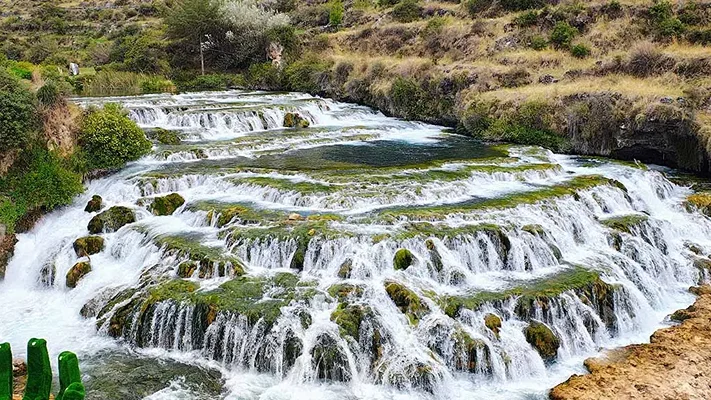
High in the Andes of Yauyos, beyond the dry coastal plain and the winding roads that climb from Cañete, Huancaya Peru feels like a secret kept in turquoise. Rivers break into stepped waterfalls. Lagoons glow blue-green under the cold mountain sun. Stone bridges cross clear streams. Trout farms, queñua trees, grazing animals, and quiet village lanes create a kind of rural poetry that many first-time visitors never expect to find so close to Lima.
For 2026, Huancaya is one of the most rewarding high-Andean escapes near the capital, especially for travelers who want nature without the crowds of Machu Picchu, Paracas, or Huacachina. It is not a luxury destination in the conventional sense. Its luxury is space, silence, clean air, and the rare pleasure of waking up beside lagoons instead of traffic.
Why Huancaya Is Worth Visiting in 2026

Huancaya Yauyos Peru sits inside the Nor Yauyos Cochas Landscape Reserve, a protected natural area created in 2001 to conserve the upper Cañete River basin and the Cochas-Pachacayo basin, where high-Andean ecosystems coexist with rural communities. The reserve covers 221,268.48 hectares across districts in Yauyos, Lima, and Canchayllo in Jauja, Junín.
That official protection matters. Huancaya is not just a pretty weekend photo spot. It belongs to a larger living landscape of rivers, lagoons, archaeological remains, Andean terraces, pastoral communities, and fragile native vegetation.
The most famous route runs between Huancaya, Vilca, and Vitis, where the Cañete River forms cascades, natural pools, and mirror-like lagoons. PromPerú highlights the Huancaya-Vilca section as the main attraction of Nor Yauyos Cochas, with waterfalls such as Cabracancha and lagoons like Papacocha and the Bosque del Amor area.
Traveler’s Note:
“Huancaya is not a place to rush. The road is long, the altitude is real, and the beauty is slow. Come for two days if you want the landscape to feel like a memory, not just a stop.”
Where Is Huancaya?
Huancaya Lima Peru is in the province of Yauyos, in the Lima region, southeast of the capital. Although it belongs administratively to Lima, the experience feels completely different from the coastal city. You leave behind sea fog, traffic, and desert hills, then climb into a colder world of valleys, cliffs, rivers, and highland villages.
Most travelers reach Huancaya Lima by road from Lima through Cañete and Lunahuaná, continuing toward the highlands of Yauyos. The journey usually takes around 7 to 8 hours depending on traffic, weather, road conditions, and stops.
There is also access from the central highlands via routes connected to Huancayo, Jauja, and the Carretera Central. SERNANP notes that the reserve can be reached through two major access axes: the Panamericana Sur via San Vicente de Cañete and the Carretera Central via La Oroya, followed by secondary unpaved roads.
What Makes Huancaya Different from Other Places Near Lima?
Many short trips from Lima are coastal or desert-focused: Paracas, Ica, Huacachina, Asia, Lunahuaná, and the beaches south of the capital. Huancaya Peru travel is different because it offers high-Andean scenery without flying to Cusco or Huaraz.
You come here for:
- Turquoise lagoons.
- Stepped waterfalls.
- Stone and lime bridges.
- Trout farms and local dishes.
- Queñua and karkac forests.
- Cold nights and bright mornings.
- Rural villages with a calm rhythm.
- Photography, hiking, and boat rides.
- A quieter alternative to crowded tourist places in Peru.
This makes Huancaya especially attractive for couples, families, photographers, hikers, students, and travelers who want a nature-based escape before or after visiting Lima, Paracas, Cusco, Machu Picchu, or the Sacred Valley.
The Best Things to See in Huancaya and Nearby Vilca
Huallhua Lagoon

Huallhua Lagoon is one of the classic images of Huancaya Peru: calm water, green-blue tones, small boats, trout, reeds, and mountain reflections. A boat ride here is simple but memorable, especially when the morning light softens the landscape.
For many visitors, this is the “I understand now” moment. The long road suddenly feels worth it.
Cabracancha Waterfalls

The Cabracancha waterfalls are part of the region’s signature scenery. Instead of one dramatic vertical drop, Huancaya’s water often moves in terraces, steps, pools, and shining channels. The effect is delicate and constant, like the landscape is breathing through water.
Calicanto Bridges

Huancaya and nearby villages are known for stone bridges, often called calicanto bridges because of traditional construction techniques using stone and lime. These bridges do more than create pretty photos. They connect the old village world with the living water landscape around it.
Vilca and the Bosque del Amor

Vilca is often paired with Huancaya on 2-day tours. The Bosque del Amor, near the village of Vilca, is one of the most atmospheric places in the area. Mincetur identifies it as a natural landscape site in the district of Huancaya, near Vilca, at around 3,850 meters above sea level.
The forest has local lore attached to it, including a romantic story of two lovers connected to Papacocha Lagoon. Whether you treat the tale as myth or memory, it gives the place a human texture that travelers remember.
Papacocha Lagoon

Papacocha is often visited with Vilca and Bosque del Amor. The water, reeds, trees, and nearby viewpoints make this a beautiful stop for photography. It also shows why Huancaya is more than one village: the magic lies in the route, not only the town.
Vitis and Rural Landscapes

Vitis is another important village in the reserve and often appears in extended itineraries. It is ideal for travelers interested in living landscapes: agriculture, terraces, rural life, and quieter Andean scenery.
Huancaya vs Other Short Trips from Lima
Huancaya is not for everyone. It is more demanding than Paracas or Lunahuaná because the road is longer and the altitude is higher. But it gives a different reward.
| Destination Near Lima | Main Appeal | Travel Style | Best For |
|---|---|---|---|
| Huancaya | Lagoons, waterfalls, Andean villages | Nature and highland escape | Photographers, couples, hikers |
| Paracas | Ocean, desert, Ballestas Islands | Coastal wildlife and scenery | First-time visitors, families |
| Huacachina | Dunes, buggy rides, sandboarding | Adventure and desert photos | Younger travelers, groups |
| Lunahuaná | River, food, soft adventure | Easy weekend trip | Families, rafting beginners |
| Caral | Ancient civilization, archaeology | Cultural day trip | History lovers, students |
| Huaraz | High mountains and glacial lakes | Trekking and alpine scenery | Serious hikers |
Pro-Tip:
If you want an easy day trip, choose Paracas or Lunahuaná. If you want a quieter Andean landscape that feels almost hidden from international tourism, choose Huancaya.
How to Get to Huancaya from Lima

Option 1: Organized Tour from Lima
For most foreign travelers, this is the easiest option. Tours huancaya usually depart from Lima at night or very early in the morning, travel south toward Cañete, then climb into Yauyos.
Many tours a Huancaya are 2 days and 1 night because the road is long. A 2-day format allows you to arrive in the morning, visit Huancaya and Vilca, sleep locally, and return the next day without turning the whole experience into an exhausting marathon.
Recent 2026 tour listings show 2-day Huancaya programs from Lima around S/310 per person, with some local costs such as entrance to Huancaya, Vitis or Vilca, and boat rides sometimes not included. One 2026 operator lists a regular 2-day Huancaya tour at S/310, with entrance and boat ride costs separate.
Option 2: Private Vehicle
A private vehicle is more comfortable, especially for couples, families, photographers, and travelers who want stops along the way. However, the road requires caution. There are curves, altitude changes, rural sections, and unpaved stretches depending on the route.
We recommend a local driver who knows the road rather than self-driving, especially if you are not used to Peruvian mountain routes.
Option 3: Public Transport
Independent travel is possible but less simple. You may need to combine buses, colectivos, and local transport through Cañete, Imperial, Lunahuaná, Yauyos, or other intermediate points. Schedules can be limited and not always designed around travelers.
This option is best for Spanish-speaking backpackers with flexible time.
Step-by-Step: Planning Your Huancaya Trip
- Choose your travel dates.
The dry season from May to October is usually the best period for clearer skies, better road conditions, and easier walking. - Decide between tour, private driver, or public transport.
If you are visiting Peru for the first time, we recommend an organized 2-day program or private service. - Confirm the exact inclusions.
Ask whether the price includes hotel, meals, entrance fees, boat rides, local guides, and all transfers. - Check altitude readiness.
Huancaya and nearby attractions sit above 3,500 meters. If you are sensitive to altitude, avoid rushing, drink water, and sleep well before the trip. - Pack for cold nights.
Even if Lima feels mild, Huancaya can be very cold after sunset. - Carry cash in soles.
Local services, boat rides, entrances, snacks, and small restaurants may not accept cards. - Travel responsibly.
Stay on marked routes, do not leave trash, avoid damaging plants, and support local operators who respect community rules.
Suggested 2-Day Huancaya Itinerary from Lima
Day 1: Lima to Huancaya, Waterfalls and Huallhua Lagoon
- Depart Lima at night or very early morning.
Most group tours leave late at night to arrive in Huancaya early. Private tours may leave before dawn. - Stop for breakfast en route.
Depending on the route, breakfast may be in Cañete, Lunahuaná, or a highland village. - Arrive in Huancaya.
Take time to adjust. The altitude is noticeable, especially if you came directly from sea-level Lima. - Visit Huallhua Lagoon.
Enjoy the boat ride, photography, and views of turquoise water and surrounding hills. - Walk near the waterfalls.
The best walks are slow and scenic rather than intense. Watch your step, especially near wet stones. - Lunch with local trout.
Fried trout is one of the most common dishes. It is simple, local, and exactly right after a cold morning outdoors. - Visit viewpoints and bridges.
Use the afternoon for photography, stone bridges, and village scenes. - Overnight in Huancaya.
Expect simple lodging. Hot water, heating, and Wi-Fi may vary, so confirm before booking.
Day 2: Vilca, Bosque del Amor and Return to Lima
- Wake early for cold, clear light.
Morning is beautiful in Huancaya. The air feels sharper, the water brighter, and the village quieter. - Transfer to Vilca.
Visit Papacocha Lagoon, Bosque del Amor, and local viewpoints such as Cantagallo or San Cristóbal when included. - Walk slowly through the forest area.
The altitude and cold can make even short walks feel stronger than expected. - Have lunch before leaving.
Do not depend on late food stops. Eat well before the long return. - Return to Lima.
Expect evening arrival, often late depending on traffic and road conditions.
Full Day vs 2-Day Tour: Which Is Better?

A full-day Huancaya tour is possible, but we only recommend it for travelers with very limited time and high tolerance for long road travel. For most visitors, 2 days is far better.
| Tour Type | Pros | Cons | Best For |
| Full day Huancaya | Lower cost, no overnight | Very tiring, rushed, long road hours | Budget travelers with limited time |
| 2 days / 1 night | Best balance of time and comfort | Requires overnight stay | Most travelers |
| 3 days / 2 nights | More relaxed, better photography | Higher cost, more planning | Couples, families, slow travelers |
| Private custom trip | Flexible stops and pacing | More expensive | Luxury travelers, photographers |
Traveler’s Note:
“The biggest mistake with Huancaya is treating it like a quick viewpoint. The landscape is not far in kilometers only. It is far in altitude, rhythm, and road time.”
How Much Does Huancaya Cost in 2026?
Costs vary widely depending on comfort level, season, holiday dates, and whether you choose a group tour or private service.
A practical 2026 budget might look like this:
| Item | Budget Range | Notes |
| 2-day group tour from Lima | From around S/310 | Often includes transport, lodging, guide, some meals |
| Local entrances | Around S/10-S/20+ | Varies by community and route |
| Boat ride | Around S/20 | Often paid separately |
| Meals not included | S/15-S/35 each | Trout dishes are common |
| Private vehicle/driver | Higher variable cost | Best for comfort and flexibility |
| Simple lodging | Often included in tours | Confirm hot water and bathroom type |
Prices can change during holidays such as Fiestas Patrias, Easter, New Year, and long weekends. Always confirm what is included before paying.
Best Time to Visit Huancaya

The best months for Huancaya Peru travel are usually May to October, during Peru’s dry season. Skies are often clearer, roads tend to be more manageable, and the lagoons look spectacular under stronger sunlight.
The rainy season, roughly November to March or April, can make the landscape greener and waterfalls more powerful, but roads may be more difficult and weather less predictable. Mincetur notes that the Bosque del Amor can be especially scenic during the rainy months because water flow increases, though visitors should be more cautious with trails and road conditions.
Seasonal Comparison
| Season | Months | Experience | Best For |
| Dry season | May to October | Clearer skies, colder nights, easier walking | First-time visitors, photographers |
| Rainy season | November to March/April | Stronger water flow, greener scenery | Repeat visitors, flexible travelers |
| Long weekends | Variable | More visitors and higher demand | Social travelers |
| Weekdays | Year-round | Quieter experience | Couples, photographers, slow travel |
Altitude: What Travelers Should Know
Huancaya is not as high as some extreme Andean treks, but it is high enough to matter. The town and nearby attractions sit roughly above 3,500 meters, while Vilca’s Bosque del Amor area is listed around 3,850 meters.
If you arrive directly from Lima, your body goes from sea level to high altitude in one trip. Some travelers feel light headaches, fatigue, shortness of breath, or reduced appetite.
To reduce discomfort:
- Sleep well before the trip.
- Avoid heavy alcohol the night before.
- Drink water regularly.
- Eat light but nourishing meals.
- Walk slowly on the first day.
- Bring warm clothing.
- Carry altitude medication if recommended by your doctor.
Pro-Tip:
Do not schedule Huancaya immediately after an international overnight flight if you can avoid it. Spend at least one normal night in Lima first, then travel.
What to Pack for Huancaya
Packing for Huancaya is different from packing for Lima. The coast may feel mild, but the highlands can be cold, windy, sunny, and wet underfoot.
Pack:
- Warm jacket or fleece.
- Windbreaker or rain jacket.
- Thermal base layer.
- Comfortable hiking shoes.
- Wool socks.
- Hat or beanie.
- Sunglasses.
- Sunscreen.
- Refillable water bottle.
- Small daypack.
- Cash in soles.
- Personal medication.
- Power bank.
- Camera or phone with extra storage.
- Gloves for cold mornings.
- Lip balm.
Avoid:
- Thin city shoes.
- Heavy suitcases.
- White sneakers if you care about mud.
- Relying only on card payments.
- Traveling without warm nightwear.
- Bringing single-use plastics into the reserve.
Food in Huancaya
The local food is hearty and practical. Trout is the star. You will see trout farms, trout restaurants, and trout-based lunches on many tours a Huancaya.
Common dishes include:
- Fried trout.
- Trout soup.
- Potatoes with cheese.
- Caldo de gallina.
- Pachamanca on some routes or special tours.
- Andean corn and local herbs.
- Hot infusions for cold mornings.
Do not expect Lima-style fine dining. The pleasure here is simple: a warm plate, mountain air, and the sound of water nearby.
Responsible Travel in Nor Yauyos Cochas

Huancaya’s popularity is growing, and that brings pressure. The reserve protects not only scenery but also ecosystems and community life. SERNANP emphasizes conservation of landscapes, historical-cultural values, tourism activity, and harmony with rural communities.
Travel responsibly by following these rules:
- Do not leave trash.
- Avoid stepping into fragile wetland areas.
- Respect local entrance fees.
- Use marked trails.
- Do not remove plants or stones.
- Keep noise low.
- Do not fly drones without permission.
- Support local restaurants, guides, and lodging.
- Ask before photographing local residents.
- Do not pressure drivers to speed on mountain roads.
Huancaya’s beauty depends on restraint. The more visitors treat it like an amusement park, the faster it loses what makes it special.
Local Lore and Cultural Depth
Huancaya is more than water. The wider Nor Yauyos Cochas Reserve includes archaeological remains, Andean terraces, cave routes, and ancient road networks.
SERNANP notes that the reserve has more than 40 archaeological remains and living agricultural terraces, many still used today. It also identifies a branch of the Qhapaq Ñan, the Inca road system, connecting Pachacamac with Jauja.
This is useful for internal linking because Huancaya can connect naturally with articles about the Qhapaq Ñan, Pachacamac, Inca roads, Lima day trips, Yauyos culture, and ancient Peru.
The landscape also holds spiritual geography. PromPerú highlights Pariacaca, a snow-covered peak in Tanta, as an important deity during the Tahuantinsuyo period and part of a significant pilgrimage route.
That means Huancaya is not only a photogenic escape. It sits within a sacred Andean corridor where water, mountains, roads, and communities have carried meaning for centuries.
Who Should Visit Huancaya?
Huancaya is ideal for:
- Nature lovers.
- Couples seeking a quiet escape.
- Families with older children.
- Landscape photographers.
- Travelers based in Lima.
- Visitors looking for lesser-known tourist places in Peru.
- Hikers who prefer scenic walks over extreme trekking.
- Peru travelers who already visited Paracas or Huacachina.
- People searching for a calm alternative to Machu Picchu crowds.
Huancaya may not be ideal for:
- Travelers with severe altitude sensitivity.
- Visitors who need luxury hotel standards.
- People prone to motion sickness on winding roads.
- Travelers with only one spare day and low stamina.
- Anyone expecting nightlife, shopping, or urban comfort.
Huancaya and Internal Links for a Peru Travel Website
For SEO, Huancaya is a strong bridge topic. It connects naturally with Lima, Yauyos, Andean landscapes, nature tours, responsible tourism, waterfalls, lagoons, and alternatives to classic routes.
Internal linking opportunities include:
- Lima travel guide for arrival and city planning.
- Best day trips from Lima for comparison.
- Paracas travel guide as an easier coastal alternative.
- Huacachina desert tours for adventure contrast.
- Caral Peru for ancient history near Lima.
- Machu Picchu travel guide as a famous but very different Peru icon.
- Huaraz travel guide for higher mountain lakes.
- Pachacamac sanctuary because of the Qhapaq Ñan connection.
- Peru family travel for safe nature escapes.
- Peru photography tours for landscape-focused visitors.
Use exact phrases such as huancaya lima peru, huancaya peru, tours huancaya, and huancaya yauyos peru naturally inside supporting articles. This helps the page rank without feeling forced.
Is Huancaya Safe?

Huancaya is generally safe when visited with responsible operators, careful drivers, and good planning. The main risks are not crime but road fatigue, altitude, cold nights, slippery paths, and limited services.
Safety tips:
- Travel with a driver who knows the route.
- Avoid night driving unless part of a reputable tour.
- Bring warm clothes.
- Walk carefully near waterfalls.
- Do not stand too close to edges for photos.
- Keep cash divided.
- Confirm lodging before arrival.
- Carry basic medicine.
- Tell your guide if you feel altitude symptoms.
Is Huancaya Worth It?
Yes, if you understand what kind of trip it is. Huancaya is not effortless. The road is long, the services are simple, and the altitude asks for respect. But the reward is one of the most beautiful high-Andean landscapes near Lima.
For the right traveler, Huancaya feels like a reset. It reminds you that Peru is not only ruins, deserts, and famous mountains. It is also water moving through stone, villages tucked into cold valleys, and landscapes where local life and protected nature still meet.
FAQ About Huancaya Peru
1. Where is Huancaya located?
Huancaya is located in Yauyos province, Lima region, inside the Nor Yauyos Cochas Landscape Reserve. It is usually reached by road from Lima via Cañete and the highlands.
2. How far is Huancaya from Lima?
Huancaya Lima trips usually take around 7 to 8 hours by road, depending on traffic, weather, stops, and road conditions.
3. What is the best time to visit Huancaya Peru?
The best time for Huancaya Peru travel is usually May to October, when skies are clearer, roads are more manageable, and the lagoons show strong turquoise tones.
4. Are tours a Huancaya worth it?
Yes. Tours a Huancaya are worth it for first-time visitors because they simplify transport, lodging, meals, routes, and local coordination in a remote highland area.
5. How much do tours Huancaya cost in 2026?
Many tours Huancaya from Lima start around S/310 for 2 days, but prices vary by season, hotel type, meals, entrances, and whether boat rides are included.
6. Is Huancaya good for families?
Yes, Huancaya Peru can be good for families with older children who tolerate long road trips and altitude. Warm clothing and a slow pace are important.
7. What should I pack for Huancaya Yauyos Peru?
For Huancaya Yauyos Peru, pack warm layers, hiking shoes, sunscreen, cash, water, a rain jacket, personal medicine, and a camera for waterfalls and lagoons.


